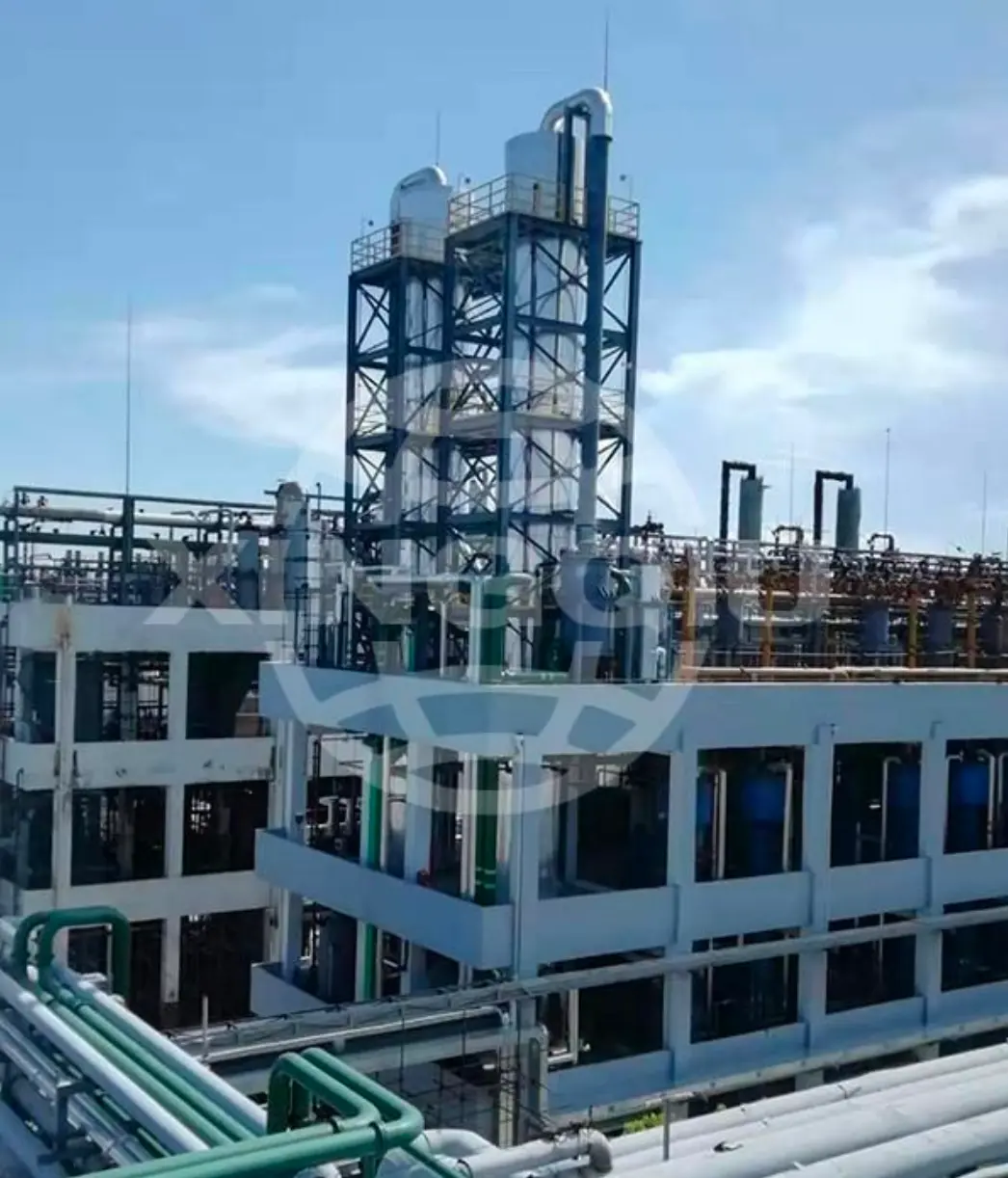
Graphite Heat Exchangers
Corrosion-resistant graphite heat exchangers for cooling, heating, condensation, evaporation and heat recovery.

Graphite Heat Exchanger Series
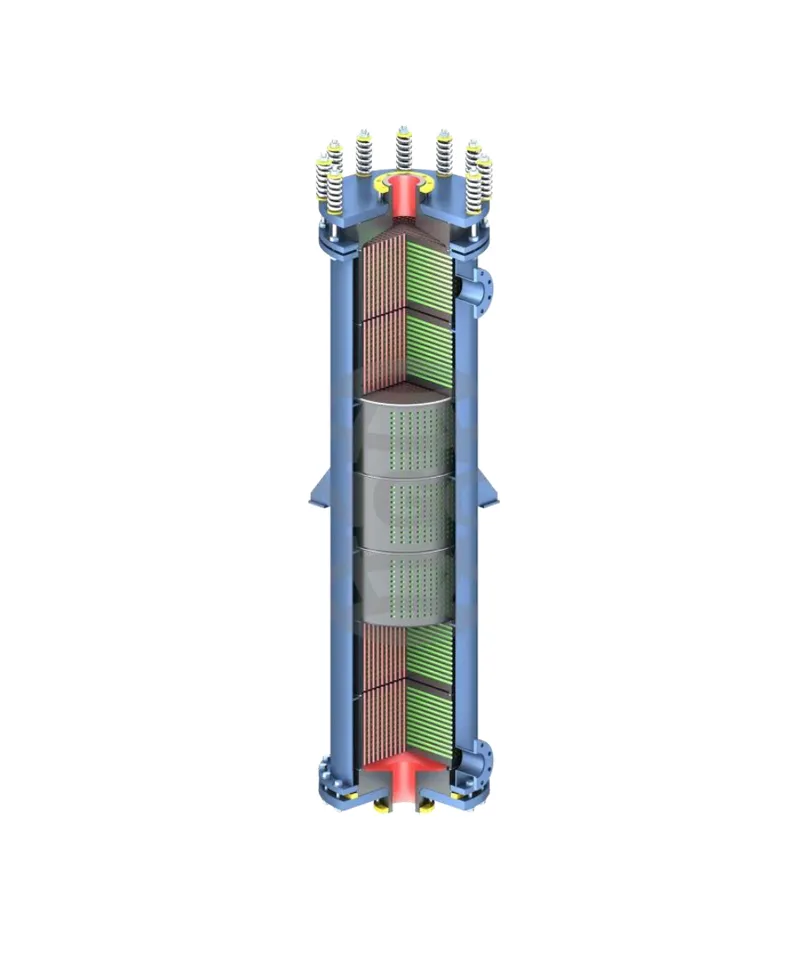
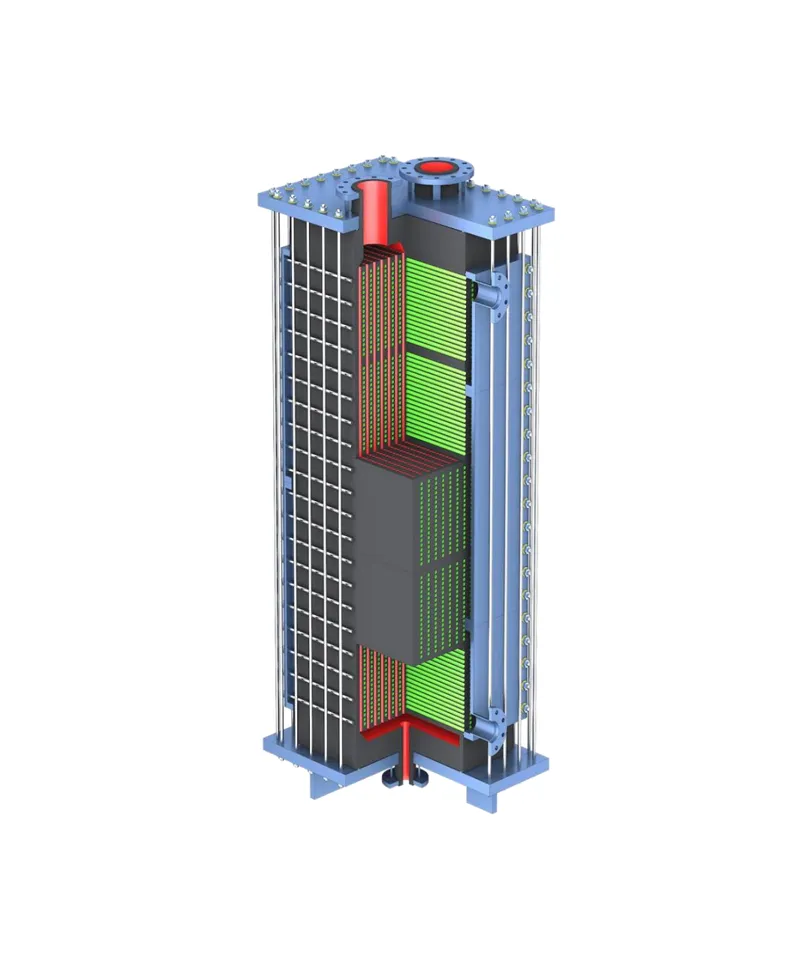
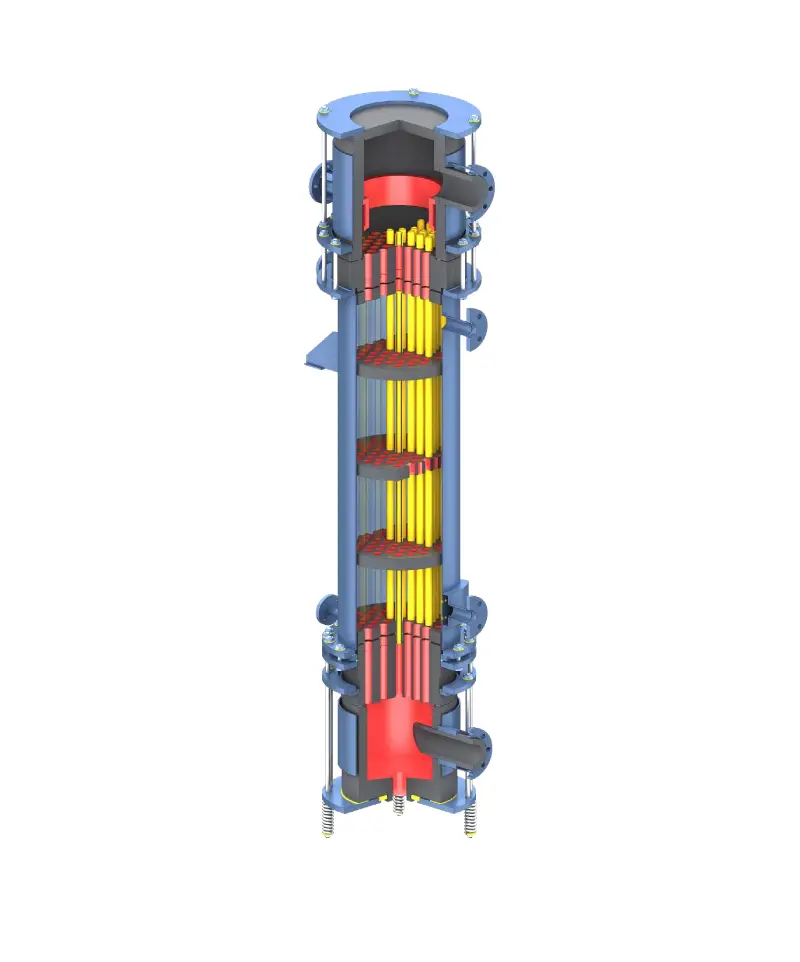
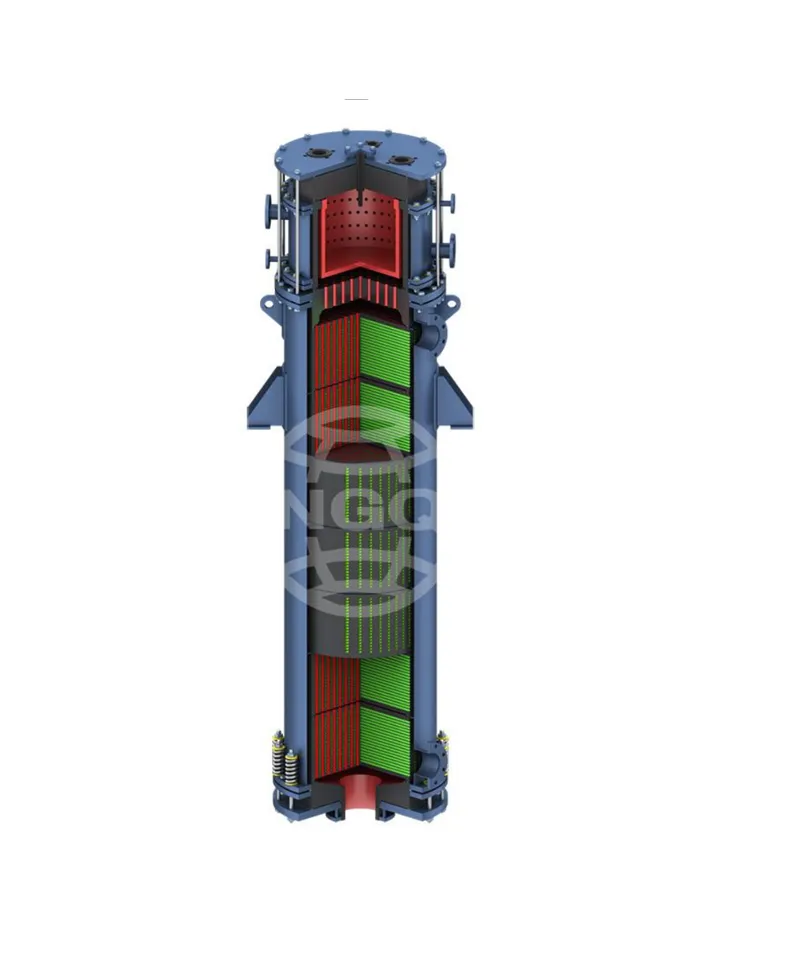
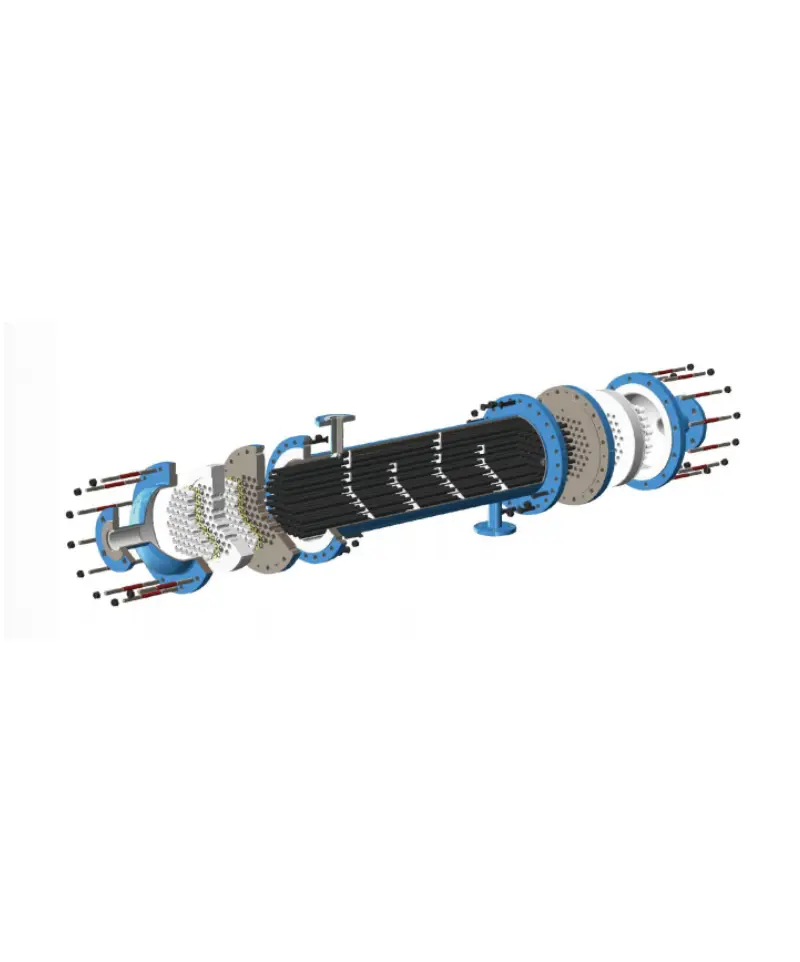
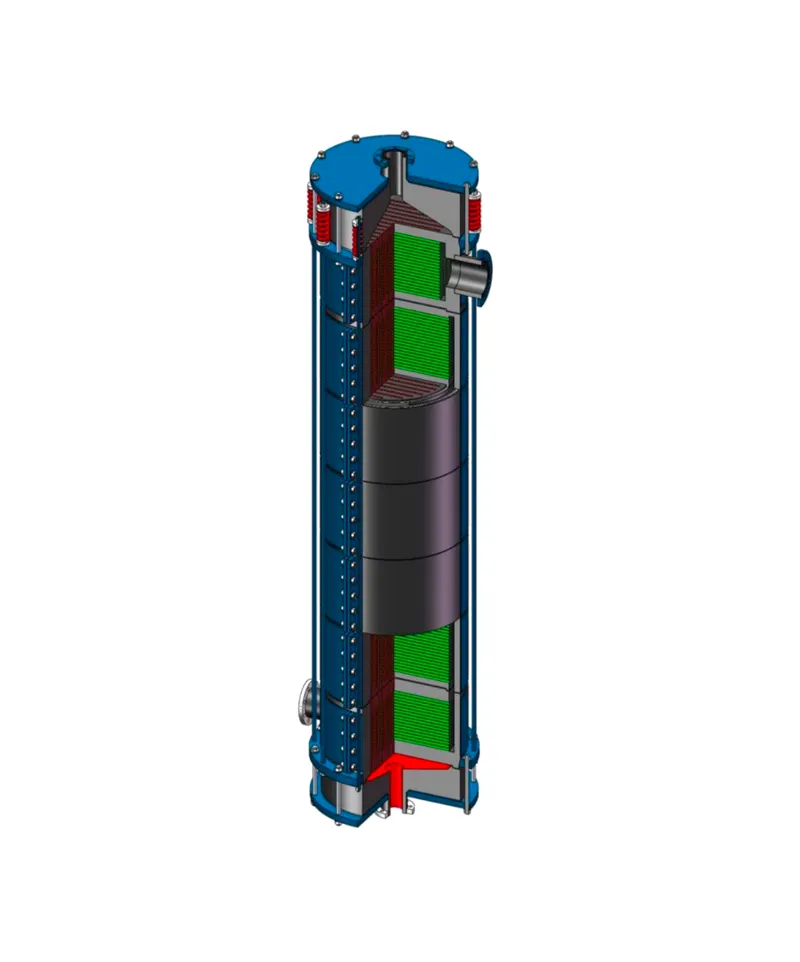
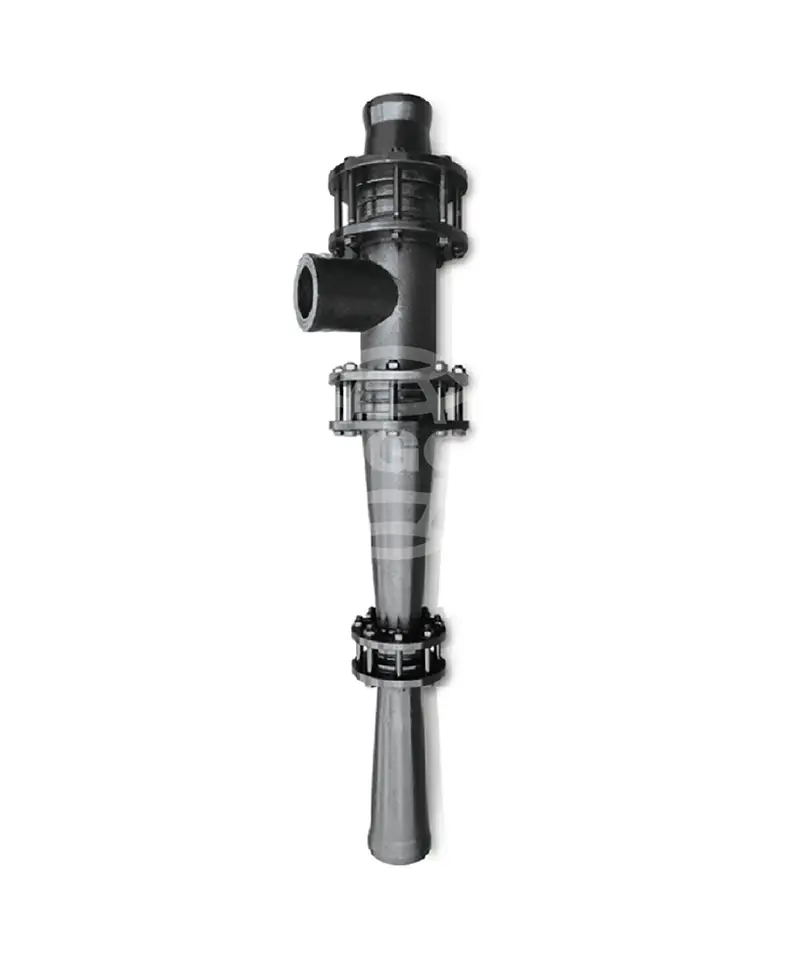
Block, tubular and special graphite equipment for corrosive heat transfer duties.
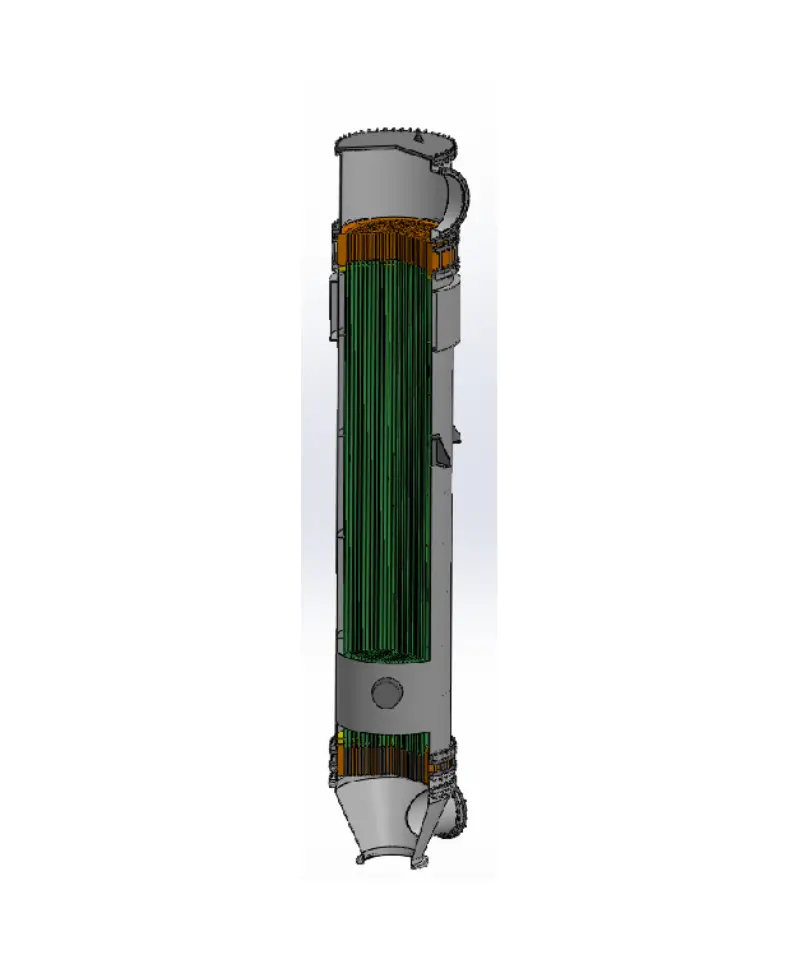
Reliable Heat Transfer
Built for corrosive media, stable operation and lower lifecycle cost.

Corrosion-Resistant Graphite
Impregnated graphite supports stable operation in strong acids, alkalis and organic solvents.
Efficient Heat Transfer
High thermal conductivity helps move process heat quickly and reduce energy waste.
Flexible Structure Options
Block, tubular and special designs match different media, pressure drops and maintenance needs.
Lifecycle Support
From selection to maintenance, XINGQIU supports performance through the full equipment lifecycle.
Where It Works
Engineered for chemical processes where corrosion resistance and heat transfer matter.
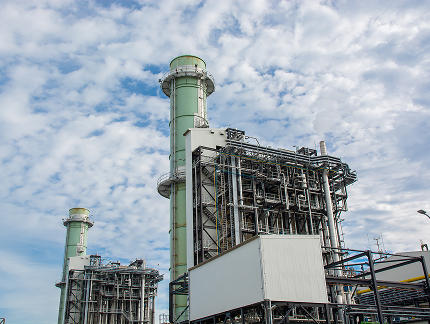
Chlor-Alkali & Chemicals
For HCl, acid cooling, condensation and corrosive heat recovery duties.
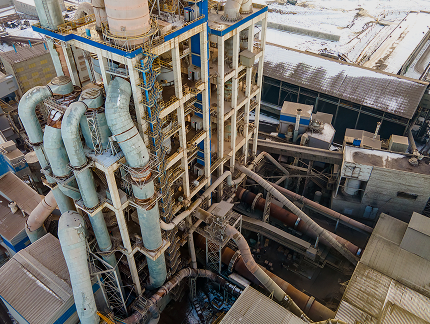
Pharmaceuticals & APIs
Supports controlled heat transfer where corrosion resistance and product purity matter.
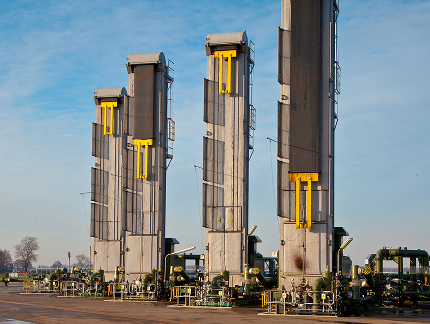
Phosphoric Acid & Fertilizers
Tubular designs support evaporation and concentration in phosphoric acid processes.
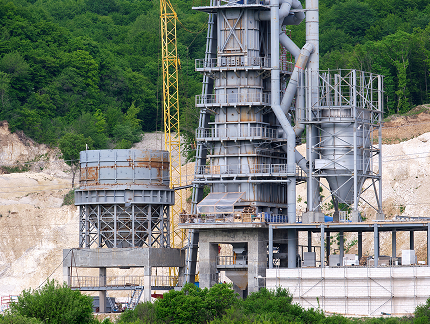
Environmental Recovery
Used in waste acid treatment, resource recovery and corrosive process recycling.
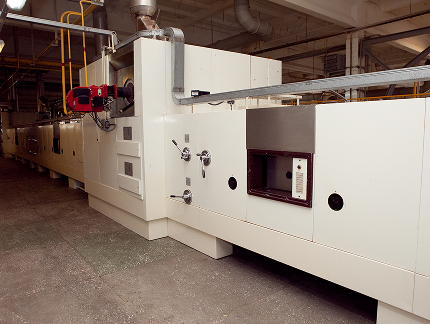
Non-Ferrous Metallurgy
Handles corrosive heat exchange in hydrometallurgy and metal processing lines.
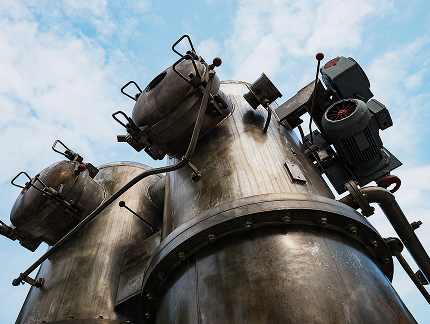
Battery Materials & New Energy
Supports acid-resistant heat transfer for emerging chemical and materials processes.
From Design to Maintenance
XINGQIU supports selection, manufacturing, installation guidance and long-term service.
Design
Sizing, material selection and pressure-drop evaluation based on operating conditions.
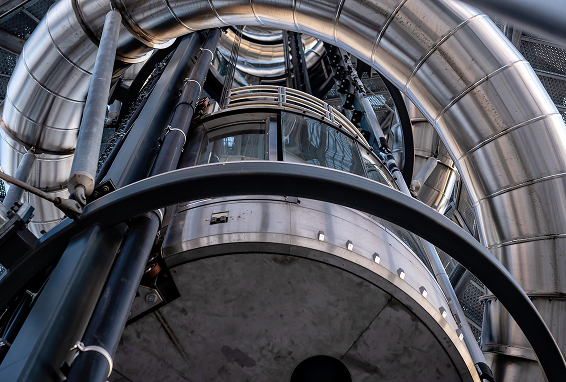
Maintenance
CIP, mechanical cleaning, spare parts and repair guidance help restore performance.
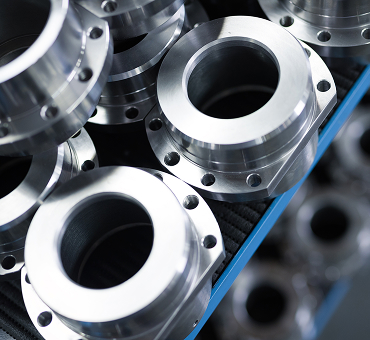
Upgrade
Replace blocks, tube bundles or seals to extend equipment service life.
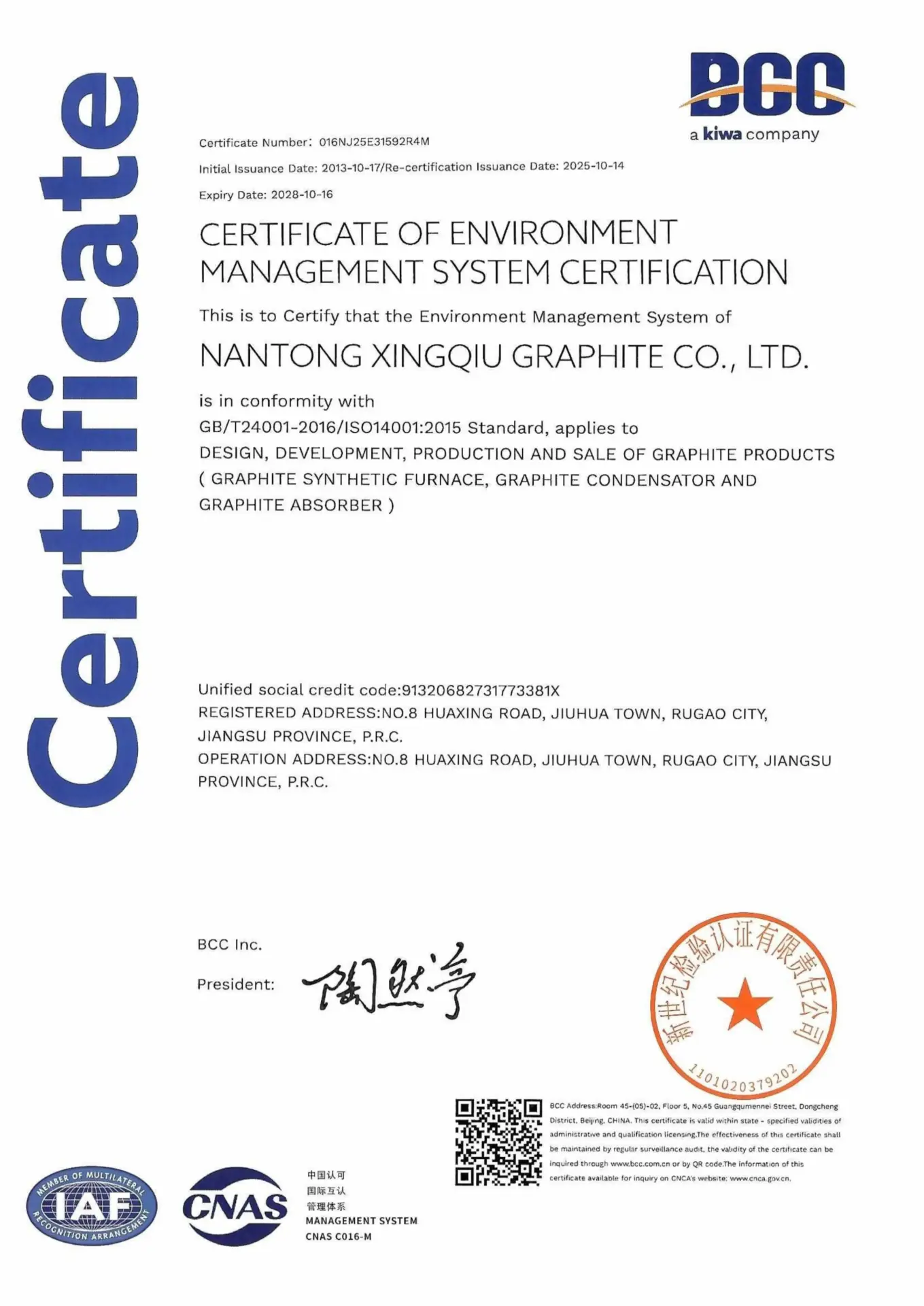
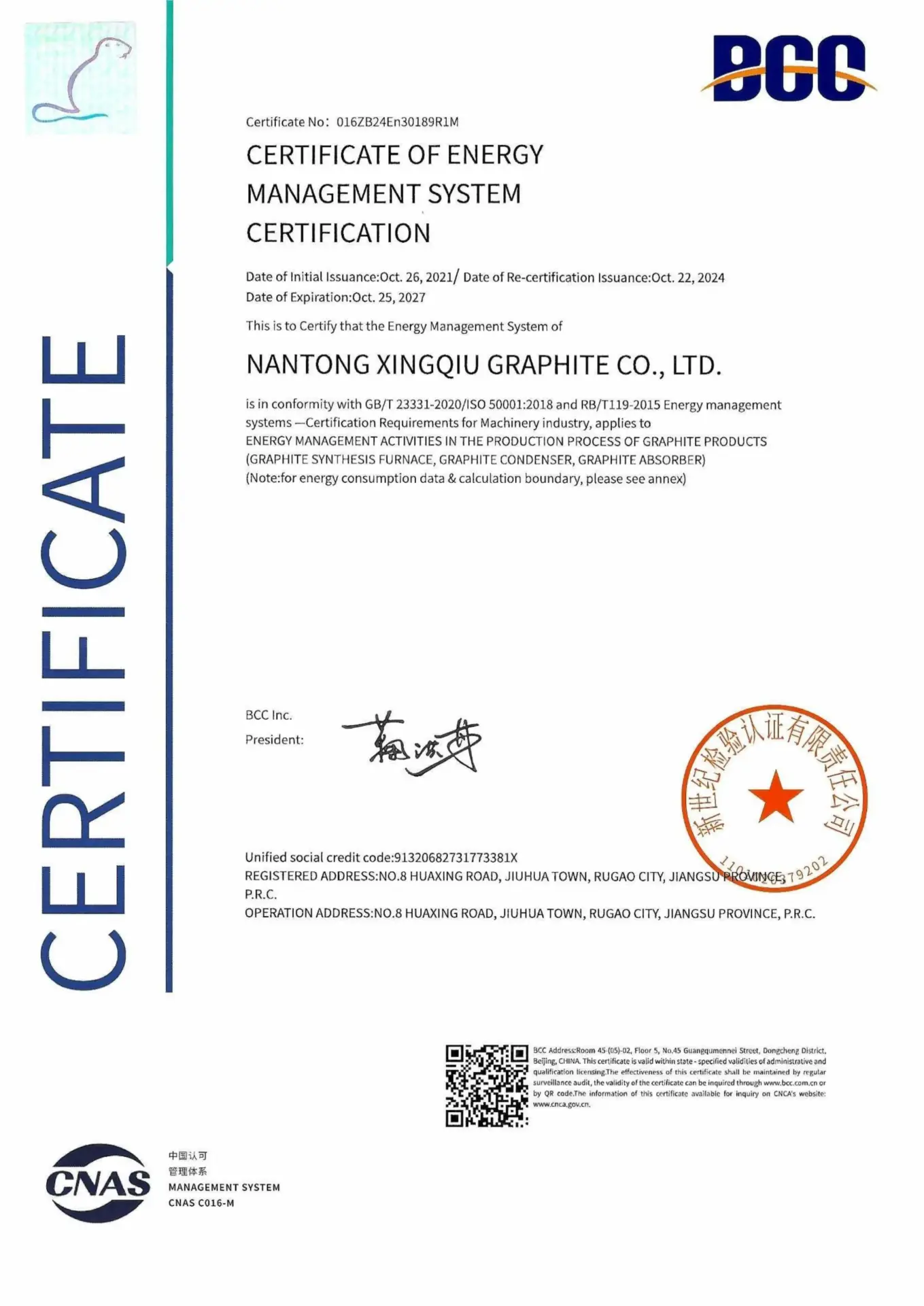
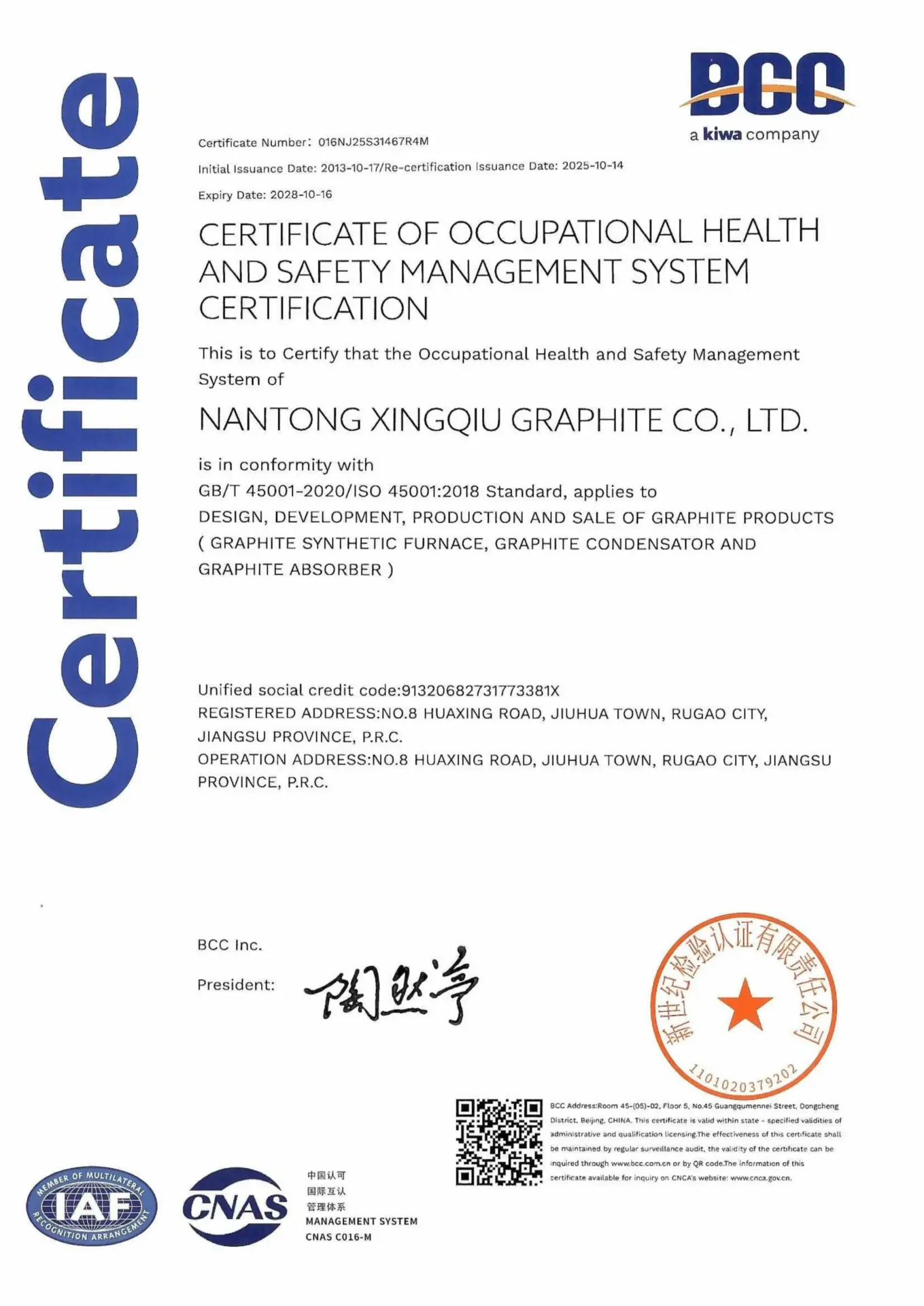
International Standards
Quality systems and pressure vessel qualifications support global project approval.
How We Work
A clear process keeps technical selection, manufacturing and delivery aligned.
01
Process Review
Share media, temperature, pressure, duty and site requirements.
04
Manufacturing & FAT
Equipment is manufactured and tested before shipment.
02
Solution Selection
We recommend structure, material, sealing and cleaning options.
05
Delivery & Installation
We provide drawings, guidance and commissioning support.
03
Technical Proposal
Receive layout, interfaces, performance targets and documentation scope.
06
Lifecycle Support
Maintenance, spare parts and rebuild advice keep operation predictable.
Need a Graphite Heat Exchanger?
Tell us your media, duty and operating conditions. XINGQIU will recommend a suitable solution.
Common Questions
Practical answers for selecting and maintaining graphite heat exchangers.
When should I choose a graphite heat exchanger?
Graphite is ideal for highly corrosive media such as hydrochloric acid, sulfuric acid, phosphoric acid and organic solvents. It is commonly selected when metal equipment faces rapid corrosion, contamination risks or frequent replacement.
Which structure is right for my process?
Block-type exchangers are compact and suitable for clean or moderately fouling media. Tubular designs handle higher flow rates, viscous fluids and applications requiring easier mechanical cleaning or larger heat-transfer areas.
Can fouling be cleaned?
Yes. Depending on fouling type, cleaning can be performed using CIP systems or mechanical methods. Proper maintenance helps restore efficiency and extend equipment service life.
What information is needed for selection?
Key data include media composition, flow rate, inlet and outlet temperatures, operating pressure, heat duty, allowable pressure drop and installation constraints. This ensures accurate sizing and reliable performance.
Can XINGQIU provide custom designs?
Yes. XINGQIU offers customized graphite heat exchangers based on process conditions, including structure selection, material optimization and integration into complete systems or EPC projects.